


Para leer este artículo en español, clic aquí
By AnaMaria Bech
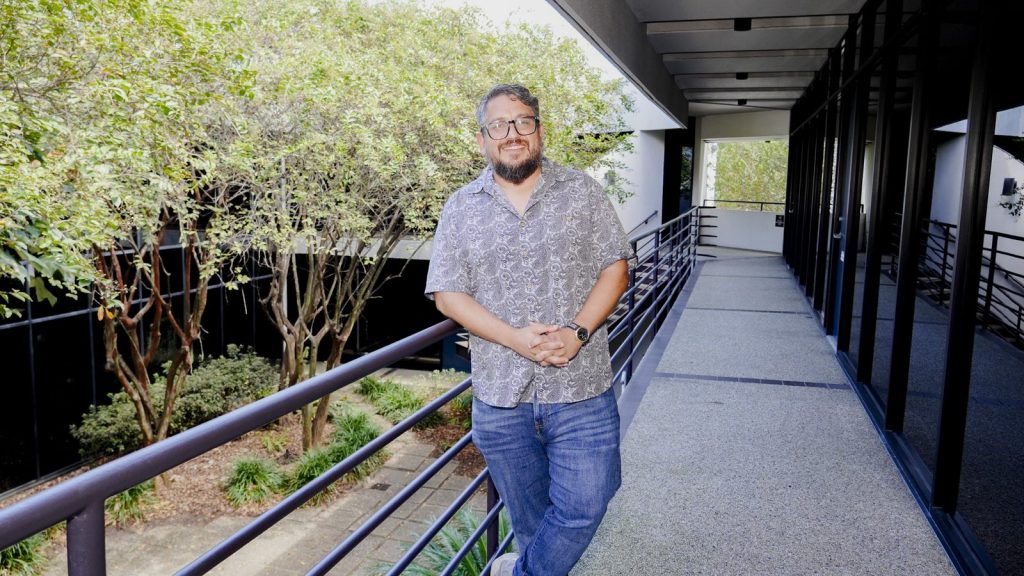
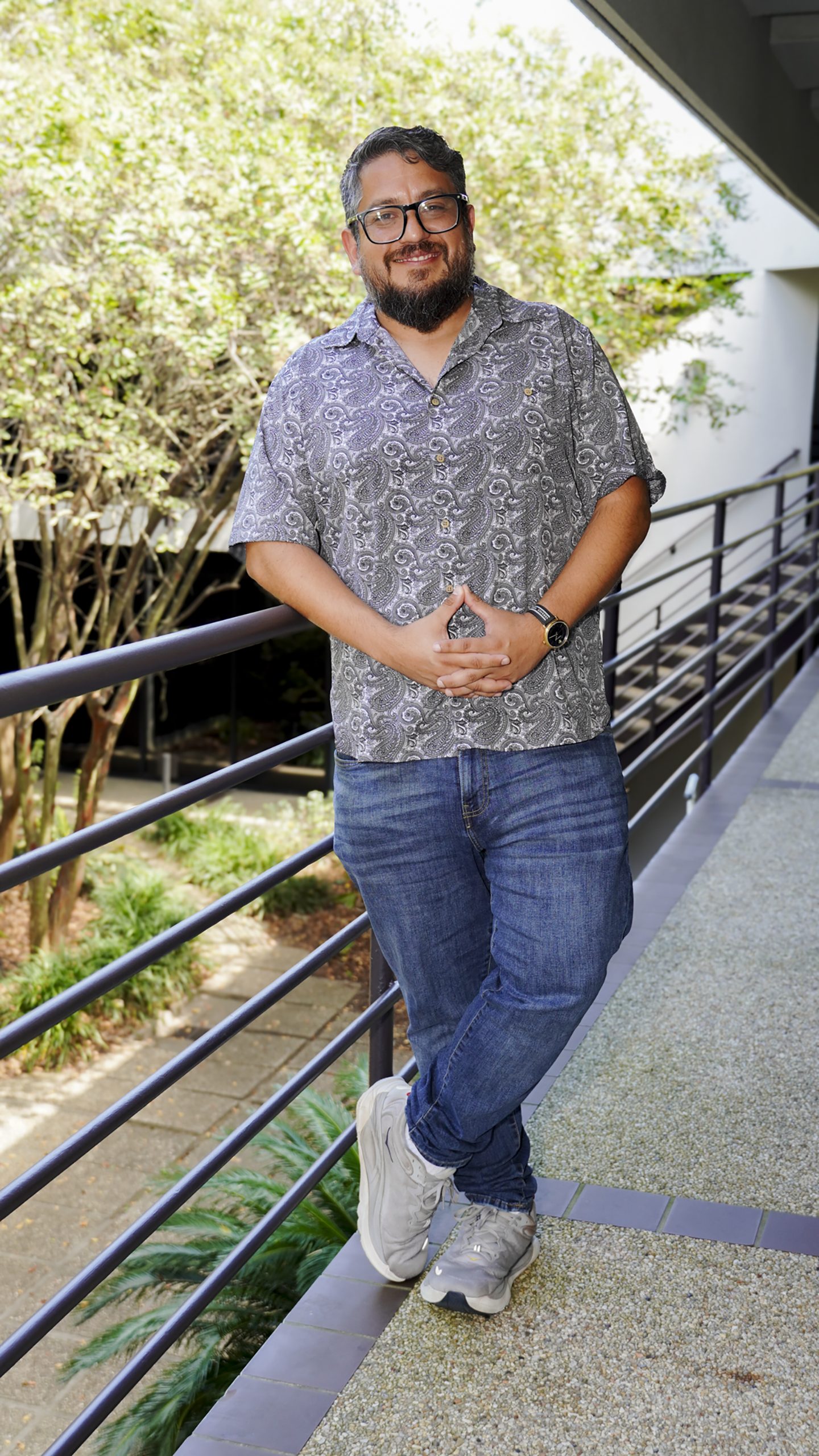
There are journalists who inform, and there are journalists who transform communities, challenge power, and set a new standard of journalistic excellence. In this special cover edition of “Nuestra Gente”, VIVA NOLA Magazine celebrates the extraordinary career of Ramón Antonio Vargas, an investigative journalist whose rigorous and courageous reporting has brought the stories of the Latino community to the most demanding front pages in the region and the country.
Roots Forged in Tenacity and Excellence
Born in Metairie to Mexican parents—with family roots in Puebla and Chiapas—Vargas grew up immersed in the richness of his native culture. In a home where medicine, intellectual rigor, and traditions intertwined, his parents kept Spanish as the main language. His mother, in addition to practicing medicine, spent time teaching Spanish to young English speakers, while his father excelled in the medical and research field by participating in FDA-supervised clinical trials for revolutionary treatments such as Viagra and Rogaine. This family heritage provided Vargas with a solid ethical, scientific, and linguistic background that later served as one of his greatest professional strengths.
Educated at Jesuit High School and graduated Summa Cum Laude from Loyola University New Orleans, Vargas demonstrated a relentless work ethic and fierce determination since his college days at The Maroon student newspaper—honored with the prestigious National Pacemaker Award in 2006.
Although he initially held aspirations of becoming a fiction writer, his journey through college classrooms and the newsroom shaped his ultimate calling toward investigative journalism and social impact reporting. Furthermore, that mindset of combat and perseverance stems, according to Vargas himself, from his family’s passion for Mexican boxing and the innate tenacity of his roots: “Being Hispanic has helped me face personal and professional challenges with that mindset of never giving up and giving it your all… giving it everything and never accepting defeat”.
Investigations That Transform and Seek Justice
Throughout his distinguished journalistic career at outlets such as The Times-Picayune, The Advocate, and currently The Guardian, Vargas has stood out for investigative reports of immense social impact. In 2012, he was awarded the prestigious Alex Waller Memorial Award by the Louisiana Press Club/Press Club of New Orleans for his moving story following the Deepwater Horizon platform tragedy. Similarly, he was part of the investigative team looking into the crimes of former NFL player Darren Sharper, a 10,000-word investigation published on the cover of Sports Illustrated and adapted for ESPN‘s Outside the Lines.





In addition to his work in mass media, Vargas has integrated his narrative passion into non-fiction literature, authoring the books Play the Game—which recounts the historic performance of the Loyola University basketball team in 1945 following World War II—and Family, Gangsters, and Champions, a detailed biography of three-time world boxing champion, originally from Slidell, Louisiana Tony Canzoneri.
His investigative journalism work on institutional abuse has also earned major accolades, including a Suncoast Regional Emmy Award in 2025 for the news special “Losing Faith: Preying from the Pulpit” in collaboration with WWL-TV, as well as recognition from the Sexual Trauma Awareness & Response (STAR) Center that same year for exposing sexual and clerical abuse in Louisiana.
Recently, his reporting on these abusive acts prompted a criminal trial that resulted in a life sentence. For Vargas, the true journalistic reward is the restoration of dignity and the unconditional pursuit of truth: “Our reporting precipitated a criminal trial that resulted in the priest’s conviction… It is gratifying to see that the work later helps serve justice. Seeing my work vindicated in that way was a significant achievement”.
Journalistic Ethics, Technology, and the Challenge of the Digital Era
In an era marked by news immediacy and the social media frenzy, Ramón Antonio Vargas firmly defends traditional journalistic ethics and rigorous verification against the rush to publish first. For Vargas, social media platforms should be tools to amplify the reach of news and connect with the audience, but never substitutes for field work, source cross-checking, or analytical depth. Likewise, he approaches the advancement of artificial intelligence in journalism with caution: he recognizes its potential usefulness in analyzing large volumes of data or managing archives, but emphasizes that human intuition, empathy in direct interviews, and responsible moral judgment are irreplaceable when telling stories that impact people’s lives.
Legacy and Commitment to the Truth
Beyond headlines and scoops, Vargas offers a fundamental piece of advice for the younger generations: “To young Latinos, I would tell them to always hold tight to their Hispanic identity and culture, to always be the best representation of it, and never be what opponents want you to be”.
Ramón Antonio Vargas stands as a role model in contemporary journalism. Line by line, with rigor and courage, he has earned the absolute respect of his peers and the deep admiration of the community he serves. Having a benchmark of his professional caliber not only honors our roots, but also reminds us of the immense power of the written word when placed at the service of truth and justice.